Join the mailing list plus receive your free How to Become a Successful Coach Starter Kit.
Join + get your Starter Kit
Real people. Real stories. Real success. With Rashid Mubashir.
© 2026 How to Become a Successful Coach
Real people. Real stories. Real success. With Rashid Mubashir.
Why staying safe feels like Groundhog Day, and what it takes to grow.
A lot of capable people have quietly decided they do not need anyone. If you only rely on yourself, nobody can hurt you, reject you or leave. Marejka Knigge calls that hyper independence, and she is clear about what it is: protection, built for a good reason, sitting on top of a need for connection that never went away.
In this conversation she and Rashid start with mindset as the internal map that drives the bus, and follow it into the places it quietly runs our lives. Why so many of the goals we chase turn out to belong to someone else, and why the word “should” is usually the giveaway. What happens to women whose children stop needing them and who suddenly have room to ask what they want. Why a life that looks good on paper can still feel like Groundhog Day.
The heart of it is her distinction between coping and capacity. Coping is pushing through and swallowing the feelings. Capacity is building enough room in yourself to feel the thing, move through it, and come out with evidence that you can. She explains why she starts with the body rather than the thinking, and why most people need someone in their corner to do it at all.
Marejka also tells her own story. Early in her training she admitted to another student that she did not believe making a living from coaching was possible for her, and describes the chasm she felt between herself and the people already doing it. She finishes with three tips for anyone sitting on a goal right now.
Hyper independence is protection. If you only rely on yourself, no one can hurt, reject or abandon you. The need for connection is still there underneath.
Some of the goals we chase are not ours. They are the needs other people put on us. The word “should” is usually the tell.
Mindset is the internal map. Expand it and what you notice changes, which is where the opportunities come from.
Coping is pushing through and swallowing the feelings. Capacity is building enough room in yourself to feel it and keep going.
The path to your authentic self is not a straight line. It is a messy one, and compassion for the mess is what keeps you on it.
Marejka’s three tips: get clear on your why and keep it where you can see it, get support instead of doing it alone, and expose yourself to people already doing the thing until you believe it is possible.
Prefer to read? Download the transcript, or open it right here.
Welcome to this episode of How to Become a Successful Coach. And today we are here with the wonderful Marejka Knigge. Marejka is a transformational mindset coach who works with women, and her goal is to help women create fulfilling lives. I think that's what we're going to explore today. Marejka, I am so excited about this conversation. Me too. Thank you for having me.
You're so welcome. I have to say, I've been in this industry for over a decade, and still my deepest love like you is working with people on their mindset. Yes. It's amazing, isn't it? It's such a fulfilling thing to do. Yeah. I am curious. A different question to what normally I would ask in a podcast conversation. What was it about your journey that intrigued to you to become a mindset coach and work on people's thinking and help them change the way they look at world?
I do feel like there was an aspect of me that has done this very naturally for my whole life. I love meeting with people and chatting to people, and leading them to be able to expand their mindset into something maybe they hadn't considered was possible. I think if you get to do that with someone that is the most amazing and impactful and meaningful thing that you can help them do.
That's fantastic. Why is that? It's because you can literally change someone's life with one conversation. If you can open up how someone sees the world and the possibilities that they could consider that maybe they haven't considered before and allow them to believe something about themselves that they didn't believe. Yeah. It could literally change their path forward. And how cool is that?
Yeah, that's really cool. Yeah. And I love that. And that's perhaps while I also have always been so deeply connected with this idea, it's like you can help people change the way they look in the world if you're working with their mindset. Absolutely. And when we change the way we look at the world, the world changes for us 100%. The external world is a product of our internal world. So every single time. That's awesome. Yeah.
What do you think and believe and have come to learn over time in the research and the study and everything that you do in your journey is the definition of mindset. I believe mindset is our internal map. It is the way we see the world and it literally drives the bus for us. So if we can make that map the best map possible, the most expanded map possible in how we see the world as people, as humans, then the world gets to change. Whereas if we limit ourselves in our mindset and we have a belief that we can only do this, or we can only do that, or we're limited in the way that we do anything, then the external world is going to give us that product.
So it also connects with this idea that we've often heard, and I think the idea is misunderstood many times, the idea of the law of attraction, which is how we think we tend to manifest things. And according to that, yes. Which is to me, if I believe that something's not possible. My internal narrative and my resulting decisions and actions will be consistent with that belief that I can achieve the goal. And then as a result of that, I want to take the action. As a result of that, I won't be able to achieve what I want to achieve. Whereas if we believe that we can achieve a goal, if we have the trust ourselves, our consequential thoughts and narratives and goals and decisions and actions are all aligned with that primitive belief, and we are, as a result of it.
Able to achieve many goals in life. What's your view on this? My view is that it's also about what we notice and it's what we, our brains are, are able to notice. So I think of our reticular activating system, which some people may not know about, but this is part of our brain that helps us filter information and what we notice in the world.
Now when we get to expand our mindset, what we notice changes and therefore opportunities come in. You know, we get to say yes to things that we may not have even noticed were possible. We get to notice that there are people in the world that might be able to give us opportunities, or we might be able to look at people who are doing things that we want to do, and we can model that, and we can expand our mindset to include things that are possible that we didn't believe were possible.
So many people are limited in what they believe is possible. So I believe that when we can expand our mindset to notice more and filter out the things that really provide evidence of our self doubt instead of evidence of what we can achieve, then what we can achieve, changes in our external world starts to become a product of what we are doing internally.
Yeah. Does that make sense? Yeah. Great. Absolutely. I love that, and it's quite symphonic. What would be a real life example of that? I'm coming back to a situation that happened in my training as a coach. I see I there was a fellow student, and we have an opportunity as students at ICI to provide coaching sessions to each other to practice our skill set.
And this particular student offered some pro bono coaching sessions, and I said, yes, I would love to be coached. And I actually said to her, I'm just not sure I believe that this is possible. And when I was talking about this, I was talking about being able to coach full time and make a living from it. So at that stage, I was very limited in my own mindset and my beliefs on what was possible.
Yeah. And she suggested that I start to follow on social media and expose myself to other people that were doing what I wanted to do. Yeah. And I said, okay, amazing. Can you give me would that do though? Yeah. Yeah, yeah. I was sort of like, okay, well, sure. But am I still seeing a disconnect between me as a person and them as a person?
But I did find that the more I saw people doing what I wanted to do, the more I was convincing myself that this is actually possible. Yeah. So through external proof, you were building your own belief? Exactly. Yeah. And it was almost as if the idea of doing coaching as a living was, was like a fantasy, you know? So I was looking at the Tony Robbins of the world, where just the disconnect between what I could do as a human and what he's doing as a human. I just I felt this chasm between me and him. For example, I needed to bridge that in my mind to be able to move into believing that it was possible and then taking the action to move me forward.
Because if I was sitting in disbelief that this was actually possible, then I wasn't going to take any of the action that would move me forward to creating the possibility. Oh, I love that. What a great example. I really dig that. For anyone who wants to become a successful coach, that's the perfect way to look at it. And the perfect distinction between the mindset of a successful coach and someone who keeps thinking about it for a really long time, but doesn't really get to the result either.
Yeah, so thanks for sharing that. I really love that. How did you close that chasm? Because I'm curious. You you were noticing this gap. What made this journey real for you? And I asked this question to you, not as a coach only, but as a human being, because, you know, we could have a mum or dad or a young person watching this as well, whether they want to be a successful coach or they want to correct them.
How do you figure out, no matter how the entire world is operating, there's media and there's brands and social media and influencers and all of these things happening in the world. Amidst all of this, how do you find your true north? What did you do for that? And what do you do when you're helping people with that? Something that I have noticed in myself, in the people that I work with, in the people around me, is a disconnection from our own needs.
So some of our goals are based on actually needs that other people have put on us. So one of the coaching models that I really love to refer to is a self-esteem triad, where we're looking at needs, boundaries and emotions. And I think being able to really connect in with our needs and our authentic needs that we have for ourselves is actually a huge skill set that we can develop, because so many of our needs are based on what other people expected of us, something that we learned in childhood.
You know, that was if you do this, you will be loved. If you do this, you will be accepted. And that's that leads us to develop needs that are actually based on what other people expect of us, instead of what we actually want for ourselves. So I think part of it is connecting in with what really lights me up.
What's the thing that I get excited about? What's the thing that it needs to be for me? Yes. Not for some other person out there 100%. I think sometimes we see something on the outside and someone else is doing it, but their way is the way that it suits them. And we feel like we need to do it the same way.
We needed to be as big. So you know you took Tony Robbins example. Great great phenomenal human being. Yeah. Untested and it impacts on humanity. But the way he does it it's his way. It's his style. It's his approach to life. And and like you said, it may not be for everyone. It may not be for every single coach who wants to to build a life.
So what I'm curious about is how does knowing A needs help us figure out how I want this to be for me, rather than how it looks on social media or in someone's life that looks very fancy from the outside. When we are able to connect in with our needs, then we are able to create a reality that aligns with us and the path that we want to follow.
So we are able to model what other people are doing and use that as inspiration, but not feel that we have to create this carbon copy of what another person is doing and not feel like we have to live our life and achieve the goals that they have. Because when we're looking at someone else's goals, we're aligning with their needs, and their needs are going to be intrinsically different from our needs because we're different people.
We're all individual, authentic people. So when we get to really connecting with what we need, then we get to create a reality that just aligns with our true core self. Yeah. What are some of the common needs that you find people had that helps them figure out what you're talking about? We know that one of the core needs that a human has is connection.
A lot of people will disconnect from the need for connection because there's then the risk of rejection. What's it or they've been hurt in the past maybe. And they're trying to avoid the pain again. Correct. So they'll almost convince themselves that they don't need the connection. But all humans need connection is a deep need that we all have.
We can tell ourselves that, hey, I can do this alone. I can do this by myself. I don't need anyone. Yes. And hyper independence is a trauma response. It is a protection mechanism. Tell me more. A lot of people will decide that they don't need anyone. Because if they only have to rely on themselves, then no one can hurt them.
No one can reject them. No one can abandon them. But we do all have a deep human need for connection. There's research that supports that, and actually acknowledging that is a huge step that some people can lead to their goals and the needs that they actually have, and it can lead to them actually going. Have I have I really connected in with this deep need within myself and therefore expressed it to the other people in my life?
Yeah. And when we can connect someone in with that, then their relationships get to deepen. And that then leads to them exploring all these new levels in themselves and all these new ways of experiencing life. It's a really significant moment when people actually admit to themselves. Yeah. Do you need another human being? And I do want to deeply connect to these other people in my life.
That's huge. It's really huge. Yeah, yeah. How do you work with someone when they come to you? And they have this kind of wall that they've created? And I imagine many times people would have this wall, but it would have helped them as well. Like, hyper independent people generally tend to be high achievers. Yes. And they tend to be people who have been hurt and disappointed in relationships.
But they've done everything they're meant to do. Like they've ticked the boxes. They've they've done what they were told to. They've got the family. They're the mother or the father, and they've got the kids and they've got the nice house, and they've done the job for a long like life looks good on paper, yes, but they still don't feel fulfilled.
So how do you work with these people when they come to you? And what are you looking for in terms of their needs? And do you find that that lack of true sense of connection is one of the needs that's also not fulfilled when I'm connecting in with people? A lot of people that, in my experience, are finally saying, I love what I have on paper, I should, I should.
The word should comes up a lot. Feel fulfilled. They have become fulfilled based on meeting everyone else's needs for a really long time. And often this comes up with women whose children have reached a certain stage in life and are starting to not need them so much. So all of a sudden they've got some time and some space to actually think, okay, what do I actually want?
What do I actually need? So and they're very disconnected from that in my experience as well. I imagine also because their source of connection with their kids is reducing. Yes. And unconsciously, perhaps the need for connection is now not being fulfilled. Yeah. And then this brings up a whole lot of questions around. Well. Am I actually connected in with my partner for example.
You know, where else do I need connection in my life where I was getting that from my kids lives. Yeah. You know, and really fulfilling those needs. And all of a sudden, I'm not actually sure what my needs are anymore. And the hyper independence comes up here a lot, too, because they have created this, this protector part of them.
And we do a lot of parts work around, well, this person has kept me safe. This part of me has, has allowed me to be safe for a really long time. So we're really thankful for that part of us. But it's okay to also go beneath that and actually say I have needs to outside of the needs that I'm providing for everyone else.
And so connecting in with that feels really foreign, really foreign. So having compassion to for the fact that I'm actually not fulfilled in this life that I have right now, but I should I should love it because it looks amazing on paper. I really should love my life. I think that sense of obligation also holds people back from making different choices in life.
Yes. Because they keep holding themselves between the friction of but I have everything, but I should be happy. Rather than leaning into well what is creating the dissatisfaction I think when we do lean into that. Yes. Initially, like you said, it's uncomfortable. But there's a whole world of fulfillment on the other side. Now when you go down this path with women, men, whoever you help on in their mindset, what are some of the other needs that become visible to you, along with connection that are either not being fulfilled, not being lived, or not being honored?
A lot of people come with a need for growth and excitement. I think they are the things that are often missing. So feeling like they can actually move into new levels of themselves. They have kept themselves really small for a really long time. A lot of the time, and they have met the needs of everyone around them. And now they're they're just sitting with themselves in what what are my actual needs and what will light me up and what will fulfill me and what will mean that I get to be excited about something now.
Why do people hold themselves back from that? You just said because they've been holding back. They've been doing it for others, but not for themselves. Why? It's because of the fear. It's because they're scared that if they try something that they might fail, that if they do something new, that they have to be uncomfortable. And they've been very, very safe in this small version of them for a really long time.
The nervous system is having a reaction there. The nervous system is letting them know that they're about to do something that feels scary for them. And it's it's, again, allowing them to be able to expand into these new versions of themselves. Yeah, I love that. So all these fears and the response that we have in our nervous system, why are we not able to handle this?
And why does someone need someone like you as a coach, to be able to learn how to expand into this new version of themselves? People are battling and in conflict between this deep, knowing that they have more in them, that there are new levels of themselves that they get to reach, and the version of them that says, don't do that.
Stay small, stay safe. Let's just sit here where we're comfortable. And often I find that there are two versions of them in conflict, and we need to work with both versions of them working together and coming together to allow them to feel safe enough to try and to move into levels of discomfort. That's also going to allow levels of growth they didn't actually believe or possible previously.
Yeah, yeah. Why do they need a coach for this? They need a coach because most people will stay safe. They will talk themselves out of growth even though they know it, but they will still be left with this deep sense of I'm stuck. I'm dissatisfied. There's more. I'm not fulfilled. I love what you shared about how people's nervous system need the expansion.
I'm a coach myself and I, and I love this work. I am curious in your perspective, why do you feel that people today need a coach to help them through this? People will lean towards staying safe.
Their nervous systems and their subconscious minds will keep them safe more than it will lead them towards growth. So often, the version of them that wants to stay safe and wants to stay comfortable will win, and the self-doubt will come up and the fear will come up.
What if I try this and it doesn't work? What if I lean into this and I have to feel inferior, or I have to feel like I can't do it, or other people around me will judge me, or I can't meet everyone's needs. If I follow my own heart and try to meet my own needs. So they need a coach to be able to lead them into the compassion and the love and the worthiness in themselves.
To know that they are allowed to have these things, that they actually can want more, and that it's okay if it doesn't work out, that actually then they're just going to learn a new thing that gets to lead them to these new levels in themselves. Yeah, I love that. So I'm hearing from your perspective, a coach is kind of like having a thinking partner.
Absolutely. Someone who can hold the space for you as well and expand with you, help you expand in your own space. Just fantastic work when you're doing this work with your clients. I imagine you will have a lot of people come to you and say, hey, I have a goal, I have a dream, or I have some sort of problem.
That is all. So I can have X goal in my life and it could be anything. It could be I want a new job, or I want to be a better mom or or start a business. Any goal? Yeah. What do you find is the one of the most common reasons why people struggle to achieve their goals?
People struggle to achieve their goals because firstly, it's around their mindset and their belief in themselves. So it starts there. We always start with their big picture. Why? So we use the critical alignment model, which is a model that we are taught at ICI. We're going to drop it for the viewers. Amazing. Yeah. So we always start with our why.
So our vision and our values and the things that are actually internally driving us towards our external goals. So we need to come back to why do I want this. Why is this the thing that is leading me for? Why is that important? Everything. Everything comes back to that. If we don't, if we're not clear in our why.
Well, firstly, we need to determine that it is actually a self-driven need, that it is a need that again aligns back with our authentic self. Yeah. It's not a borrowed or an injected idea. That's right. So whenever I hear the word should, for example, I'm becoming aware that someone is probably thinking of a goal that aligns with someone else's version of success or some sort of narrative we like from the outside world.
Exactly. So I should be this. I should be that. Okay, let's come back to what do you actually need? What do you actually feel is important? How do we align this back with your values. So values are really important as well.
Once we know that the goal that we are seeking aligns with our internal compass and what's important to us and are the lines with our vision and our authenticity, then we're looking at the next steps in the critical alignment model, which is what structure do we need to follow?
What do we need to put into place to get this goal moving forward, to really give you the best chance for success for that. So then we'll work together on creating a structure. Well, I then will suggest to my clients that they use me for accountability because then we're moving into implementation. Yeah. And a lot of people will need to have someone to check in with.
They they want to be celebrated. So if they're taking we all do. We all need that. We all need the gold star. You know, we all need the pat on the back. So having someone there to say, okay, this is what we're going to take action on this week. These are the actual steps that we're going to do on the ground.
And then to celebrate that, especially because a lot of the time those steps are leaning into the discomfort and then leaning into the fear. So we need to be able to be with that fear, allow it to be there, know that it's going to be there, and then take the the step and the action and be celebrated. And also have that sounding board.
Imagine where when you go out there and you take the action and it doesn't work out the way you want it to. You want to have someone in the in your corner going, hey, that's okay, let's revisit this. Let's really strategize. Let's think about this differently. Imagine that's what you do as well as a coach. Yeah, 100%. It's reframing what people see as failure.
You know, it is just a little bump in the road and it's okay. And, you know, without a coach potentially if we're taking action and we're we're getting that resistance or we're getting something that didn't work out, we'll probably just throw it all all to the wind and we'll be going back to the start and going, okay, I need to go back to safety.
I need to go back to just doing the thing that I feel comfortable with. The coach allows us to go, okay, actually, this is this is simply a little bump in the road. This is not a big deal. This is giving us feedback into, you know, maybe what I didn't what I tried that didn't work out and then adjust adjust.
Well said. Yeah, I really dig this part because I think when we pursue our goals in life and let me know if you can resonate with this, then imagine everybody watching this little deeper and then out with this. Whenever we pursue our goals, the challenges along the way, they bring out our inner demons they bring out. I'm using the word inner demons metaphorically here.
They bring out our fears. They bring out our unconscious, unresolved hurt and trauma. Yes. And I think so many of us can sometimes lack appreciation unknowingly for the value of having someone in your corner when that inner unconscious narrative is pulling you down, but you have someone who can hold you in that space of safety and still help you say, hey, this is a bump in the road.
This is not who we are. This is not the identity. This is not everything. This is not the end. It's not the worst outcome. All of those inner doubts that can come up. Yes. And then elevate us to how we can get through this and be resilient. Maybe share an example of that in your own experience as a coach if you like. Or what's your on that.
There are two ways that we can work towards achieving a goal. One is where we're just coping. We're just getting through. We're just surviving. So there's the real survival instinct here. So we're getting through. We're just we're meeting adversity. Yeah. But we're pushing through it. Yeah. We're pushing through it. So in that we're pushing a lot of our feelings down.
Our emotions down. So instead of allowing our bodies to process them, allowing ourselves to feel the things that come up when we're met with adversity, we're really repressing them and pushing them down and just, again, just getting through. And then there's our ability to create capacity within ourselves, where we get to grow and develop and meet these adversities and challenges that come at us and allow ourselves to feel the full range of emotions that come with that.
And also understand that this doesn't mean that we stop. This doesn't mean that this is the end of the road for us. This means that we get to process it, move through it, and then the next time there's an adversity, we have that evidence there. We have the evidence that we were able to work through it. It wasn't this big scary thing where we imploded.
Yeah. We actually got to feel this big, scary emotion that felt really uncomfortable. We moved it through our body. We met the adversity and we came out the other side. So then the next time there's an adversity, we've got these new levels of capacity that we get to get through it. That's awesome. Yeah, I quite love the idea of coping versus capacity.
And I love how you explained it because so many people are just pushing through their goals. Yeah. Would you say and I want to explore both of them from your perspective in more depth. But would you say people who are generally pursuing goals in their just coping also tend to be pursuing goals? Because it's coming from a place of I want to move away from some sort of pain in my life, but the programing that is driving their goal pursuit is still the same, which is coming from conditioning and trauma of the past.
Yes, 100%. Yeah, there's a real difference between I want to escape this pain and I'm going to move towards my goals to move away from that pain, and I want to move towards pleasure, capacity, new levels of myself. It's a very different mindset, and I believe that when I think a lot of our goals, I feel that a lot of our goals in our, in my experience, are actually driven from moving away from pain.
I don't think it's a terrible place to start. Yes, it's a great place to start. I think most people don't even do anything about that. That's exactly right. So a lot of us do decide that something is is is more painful than we'd like to experience. So we decide not to be there and to move away from it.
So it can be really motivating in lots of ways, but it is still going to limit us. We're still going to be coming from that survival instinct where we're just trying to not feel the painful thing. Yeah, because the moment the pain subdues or reduces, yes. Then we stop. We stop. And whereas when we're starting to go, oh my God, there's these new levels of pleasure that I get to experience, and I'm pretty sure there's new levels that I haven't even experience yet that are out there.
And in the future, when we get to imagine that and start to connect in with that, that's when the magic starts to happen, because that's when we're going to expand our capacity well beyond coping and into thriving and growing and just moving into whole new levels of ourselves, which is really exciting. That's when the excitement. Absolutely. And I want to come to that in one moment, perhaps.
Tell us a little bit about why are people operating under coping and what can we do to reduce that and stop that before we start building capacity. Or maybe they go hand in hand. They do go hand in hand. They do go hand in hand. I think that we often start with the coping. We do start with the coping, and we start to get little snippets of the pleasure building as we move away from the coping.
I think a lot of people start with coping because we are just reacting. We're in this world reacting again. We're coming from these these programed mindsets where we've been raised in these certain ways, we've been given these limitations and it's never occurred to us to question them. And when we start to question them, then we start to open ourselves up to a well, if if that's not true, then what else is possible? And if that's not true, then what else is possible? And it's like we just get to build layer and layer and layer of the what's actually possible, well beyond what we ever thought back in these limitations of the things that we were taught as children.
An example of coping is when we feel like every single day is the same, when we're starting to experience that, what people call Groundhog Day, where we get to the end of the day and we realize that that was just another day where we were just doing the exact same things, and almost like the time just passes, you know, another 12 months passes and all of a sudden we realized that we've been doing the exact same thing day in, day out.
That's coping. That's when we're reacting to what life gives us. Capacity is when we're actually moving into the creator role in our lives, we're choosing our path forward instead of just reacting to what's given to us. We're actually going, I want to build more in our in my life.
I want to make choices. I want to create autonomy. I want to build on what's already happening here, and I want to feel excitement and joy and fulfillment in my life and create new experiences for myself. I think there are two very different mindsets. They really are. I can see the stark difference, but my curiosity is, Marejka, when you're working with clients, if someone's operating in coping.
Yeah, particularly, like you said, Groundhog Day, day to day, you know, they're going week to week. You know, you're a mom or you're a a plumber or you're a a technician or just trying to get through their job and their weeks and pay the bills, it can be hard to even imagine a life of capacity. How would you help someone who is going through that level of not and responsibility and practical lives to start to look at?
How do I get out of the daily rut that I'm having to cope with? If you are helping them as a successful coach, the first thing that I would do with someone in that space is connect them back into their body, because chances are they're really sitting up in their head, wow. So I would really be wanting to work with some some I would do some somatic work.
Yeah. So really working in with the body in with the nervous system to connect them back in themselves. Yeah. And allow them to feel that. So that would be one of the first things I would be doing. And then we would start questioning it would start questioning some of these things that maybe they're saying or doing and questioning.
Is this something that you actually want to do? Does this connect in with how you actually feel about the world, or are you just responding to what's been given to you? Well said. I really like that. So just going back on to the somatic part, why do you do that? I do that because a lot of people are thinking things and thinking.
And we know as coaches that and from research that 95% of things that happen in our world are from our subconscious brain. The subconscious brain is driving the ship. But if we're sitting in our conscious brain thinking all the time and we're operating from that place, that's only 5% of our capacity. So when we can drop into our body, that allows us to access our subconscious mind, which has all this beautiful information that is actually driving us forward to connecting back into our authentic self.
I know that when people are coming to me and they're talking about what's happening in their daily life, they are sitting in their conscious brain, they're sitting in their thinking brain, and we need to get them back to how they feel, and they're really disconnected from that. So we need to spend some time with that. Connecting back into how they feel in their bodies is so imperative.
That's so good because emotions are feedback ultimately. And if you're suppressing the emotions and emotions suppressing the feelings, there's so much feedback about how the experience of coping is for us. It's almost like denying ourselves the truth of our own experience. Exactly. We're denying ourselves the full range of the human experience. Yeah, well, so to be human, we feel every emotion.
And some people even come with this. I need to feel happy. I need to feel positive. I need to feel good. And sometimes I'm bringing them back to, well, actually, you're not a robot. And as a human, you get to experience sadness, joy, you know, phenomenally big, massive feelings that sometimes feel too big for your thinking brain to handle.
So that's when you'll shut it down. So if we can allow someone to hold and process and have capacity to feel those big emotions, basically the word gets to expand for them. Yeah. That's beautiful. And I'm hearing that just in starting to do that somatic work and helping them reconnect with their body and their emotional world, we are helping them move out of coping into starting to build capacity by virtue of creating space for the emotional reality of the experiences that have had already, maybe over the last year or two years, five years just doing life.
Yes. Which is fantastic. Yeah. So that's the bit of the somatic work. And then you start to work with them around their thinking. Tell me a little bit about what elements are you looking at. What framework maybe you're focusing on to help them think about life differently, because most people who are in day to day jobs or are struggling or just looking after the family, they've got, like you said, programs that are pretty designed for decades now. So what are you doing to scratch the record and helping them shift their perspective?
So I would go back to one of the first models that we learn here at the Coaching Institute, which is Core Crust. So again, we're looking at the masks that we develop over time. So we we develop these masks because that's what people expect of us.
That's how we get loved. That's how we get accepted into our tribes. What I want to do is get people to really delve into, is this coming from a mask or is it coming from my core self? And that we do by asking a whole lot of questions and really, again, connecting back into the body and connecting that to the mind.
So it's like that, that heart brain coherence. Yeah. So it's really connecting into that. So what do I actually want. What do I actually need. Do I feel like I can express my need in this moment. And how is that going to help me connect in with the other beautiful humans in my life? And, you know, the quality of our life is the quality of our relationships.
So connecting them back into that and starting to live life from your core self again, instead of all the mask wearing that we've been doing for so many years, I love that I really do, and it is one of my favorite models as well. But when I think about it and this is something again, I'm curious about your view on this, which is, see, I realize that I have a mask.
I need to let go of the mask. The mask has though helped me build life to where it is. The mask has helped me pay the bills. The mask has helped me be the good wife. The good husband are the good sibling. How can I just let go off the mask? Because if I just let go off the mask, I probably won't be able to look after my family and look after the thing that I was looking after.
So how do you help someone navigate through that journey of the mask into the authenticity, while still taking care of the practicalities of life? A lot of people may have the perception that there's a straight line that we're moving from our mask self to our authentic self, and we're just going to go there, you know, we're going to get coached and we're going to achieve this version of authentic self that we are going to get to.
And the reality is that it's not a straight line. It is a very, very messy line. So it's being okay with the mess, you know, being okay with the fact that sometimes we're going to rocket, we're going to come out of a coaching session or a moment in our lives where we are really evolved and we're really authentic and we're feeling really true to ourselves.
And then guess what? The external world is going to present us for the situation, and then we're going to go backwards and we're going to start coming from the mask again. And when we start to grow and evolve and, you know, move into these new levels of ourselves, we may have to start evaluating what parts of our life get to stay and which get to actually move on.
So it's like rocking the boat a little bit. Yeah, it's really rocking the boat. And for some people, that's where the fear comes in, because they actually think, if I start on this journey and if I move forward with this new version of me, am I going to have to blow up my entire life? Do I have to start from scratch and, you know, get rid of all these people in situations that no longer alive job that I've been in or wealth that I might have created?
Yes. And sometimes the fear of that, the fear of all the newness that may come in in this new, authentic version of us might lead us back into fear. And we might decide that actually, that old version of me is more important to me than evolving. And I do see people do that. And I'm sure you have in your experience as well.
Absolutely. I do find, though, that if whenever people choose to crawl back into the masked version of themselves, they do ultimately create a deeper spiral of pain, misery and suffering. Yes, because they've become aware. Exactly. It's like you can't unsee it. Yes. So now they can see it. So I know someone I worked with actually, or good to hear it.
And they knew all this stuff. And then they kept telling me. Even one year in, they kept telling me. I just think that I want it to be that way. And then one day we broke through that in a coaching conversation and they said, well, you know, my real fear is my wife will leave me, okay. And they just didn't have the capacity to handle the hurt of what would happen if the wife's left.
Yeah. Because this man wanted to change certain things about his life. Yes. So ultimately, I think we come back to. Well, I guess it just comes down to how much pain can I cope with? Right, exactly. And then when it gets too much, then you come back and you start asking the questions again. Go. Well, actually, no, that's not okay.
Even if this is messy. Yes, I do want to take the path. Yes. And it's having compassion for the mess. Having compassion for the fact that, yes, sometimes I'm going to rocket and sometimes I'm probably going to go back to old patterns and then I get to create awareness around, oh, hang on, I ran my old pattern there.
That wasn't what I wanted to do. And next time I get to try it in a different way and we just get to keep learning and evolving and having compassion for these different versions of ourselves that we're going to create as we move towards the evolution. Well, so yeah, I think in the pursuit of the goal as well as we bring compassion, we do start to realize that we can actually handle the mess because a lot of people underestimate their capacity as well.
That's the other part. It's like I've seen people do some remarkable things straight off the bat when they didn't think something was possible like days before. Yeah. Just changed their life completely. Yeah. Well there's that saying it's always darkest before the dawn. Well then we will have the biggest self-doubt spiral and a whole lot of things will blow up around us right before we are moving into this.
This I don't know if awakening is the right word, but it's almost like an awakening where we start to go, oh, I am seeing the world with new eyes. I have these new frames and these new ways of doing things. And that's where we start to move into these, this new level of ourselves. But often we have a big mess just before that.
Yeah, it's really well said. Imagine you often see people come to this crossroads where they have to choose between the knowingness of how they have been, the mess that comes with it. Yes. And the knowing of who they can be in the mess completed? Yes. How do you help them make a decision? Often the path is reminding them why they came to seek the help in the first place, why they wanted the support in the first place.
And it's because the pain of where they were at. Yeah. Then still, sometimes they will go back to maybe the pain wasn't that bad. You know, they will go back to maybe those old patterns weren't as bad as I thought they were. So it's reminding them of the way they felt then, of the pain they felt then, and the pleasure they're seeking and reminding them that this isn't always going to feel easy.
This is going to feel challenging. This is going to rock your nervous system, you know? And again, let's connect back in with our body. Let's remind ourselves that we have capacity to feel these big, scary feelings, and we are going to come out the other side of them. Every time we do that, we build our capacity to do that.
Yeah. And then reconnecting with why they want to achieve the goal. Exactly. Always going back to the why. That's a really great base to start with and then continue to come back to you. I love this saying. It goes something like your goal is to be bigger than your need for comfort. Yes, yes. If our goal, which is a wide it's not bigger than.
I need a comfort every time in pursuit of that goal or in pursuit of our authentic self when a mess comes along the way. And if that mess feels unfamiliar, it may not be, feels unfamiliar, and feels rocky compared to the familiar pain that we had in the past. Yes, we can very easily give up on the pursuit of who we can become and what we can be, and what we can create in our lives, whether it's in our personal life, in our career, but knowing that the goal is more important to us, what's important to us.
And I think being realistic about the fact that anytime we pursue a goal, there are going to be moments where we feel like giving up. If there's an amazing, valuable goal that is really, really intrinsically linked to our why, it's not going to be an easy path. It's not going to be a straight line because the beauty is in the challenges that we get to face on the pursuit.
Yeah, well said, Marejka, what a wonderful conversation. We'll keep going deeper and deeper if we keep continuing, which is fantastic. I'm going to ask you one more question. What would be your three biggest tips to someone who has a goal right now in their life, whether it's to become a successful coach or it's to create a life they love a life of meaning on their terms in however way they want to and they got.
What are your three tips? My first one is get really clear on your why. I think that is actually the really huge part of the thing that we need to keep coming back to. As we said, let's keep coming back to our why and what drives us, because you're going to need to come back to that over and over again every time it gets hard.
So get really, really clear, super clear on that. And, you know, have it in places where you can see it, put it up on your wall, you know, just really try and make sure it's there and available to you all the time and accessible. The second thing I would do is get support. Don't do it on your own.
There are so many people around you who can help you get to your goal. So don't don't create the hyper independence that we talked about. Get the support and understand that it's okay to ask for it. And in fact, it could be the key to your success is getting the support that you need. And then the third thing I would say is expose yourself to people who have done it before you.
You know, really that will help you believe that it's possible and stack the evidence that it's possible before you believe it's possible. That's awesome, I love that. Marejka, thank you so much for sharing all the gold on how to transform our mindset, how to approach our goals. I love the conversation about coping and capacity and this wonderful mindset, and I'm looking forward to hopefully doing another conversation with you at the time.
I'd love to. Yeah. Thank you for joining us at How to Become a Successful Coach. Thank you so much for having me. You're so welcome.
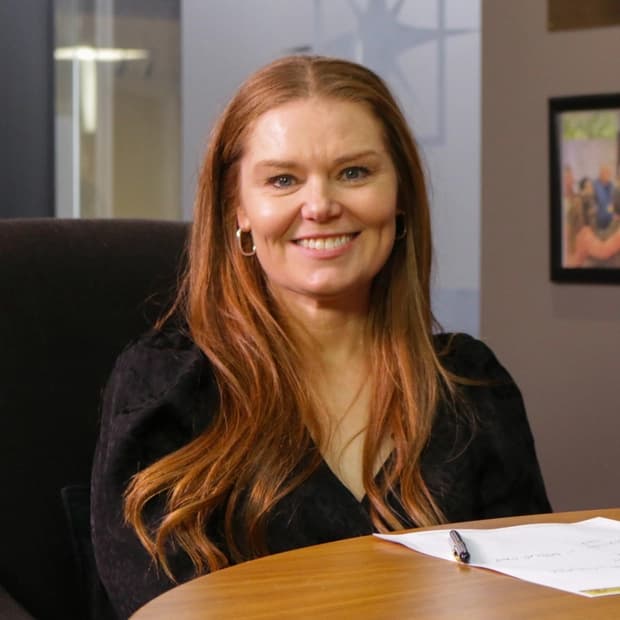
Marejka Knigge is a Transformational Mindset and Manifestation Coach working with women who have spent years meeting everyone else’s needs and are ready to ask what they actually want. She trained at the International Coaching Institute, and her work combines mindset, somatic practice and the kind of accountability that gets a goal off the page and into the week. She is the founder of Empower Rise.


Join the email list and get the free How to Become a Successful Coach Starter Kit: an honest place to begin, sent straight to your inbox.
Want to go deeper? Join the free training, a warm, no pressure live session on what coaching really is, and whether it might be for you.
A one to one with a professional coach: a chance to gain clarity, set your goals, and plan your pathway. Book your free call today and start the conversation now.
Book your free call